Upcycling is a creative way to give old things a new life. It can turn old furniture into unique pieces or make vintage clothes trendy again. This article will show you how to upcycle for a greener lifestyle. We’ll cover DIY projects, home decor, and fashion upcycling to inspire you.
Upcycling is a fun and green way to reuse what you already have. You can make a fancy mirror with jute rope for under $25. Rattan baskets cost about $30 at IKEA. Bricks are just 60 cents each at hardware stores.
Peel-and-stick wallpaper can turn an old cabinet into a bookcase. Just use designs like Spoonflower’s botanical patterns. Paint and epoxy remover work fast on dark dressers, ready in 15 minutes. Chalk paint needs two coats for a smooth finish, curing for a few hours between.
Creating a kid-friendly princess castle is easy with a cardboard box and more cardboard. Making a book side table involves drilling holes through books. The amount of materials like jute rope or oyster shells you can use is huge.
The upcycling market is growing fast, with a 9.7% CAGR from 2021 to 2028. More people in the U.S. are willing to pay more for recycled products. The average household throws away 4.4 pounds of waste daily, showing upcycling’s impact.
Upcycling furniture can save you up to 50% compared to buying new. In 2022, 80% of people tried upcycling at least once. The textile industry’s waste is huge, making upcycling clothes very important.
DIY home decor, including upcycling, was worth $13 billion in 2023. 45% of consumers choose upcycled products over new ones. Projects using glass materials are very popular, with a 35% market share.
This article aims to inspire you to upcycle. We’ll show you many creative and sustainable projects. We hope to encourage you to live more sustainably and explore upcycling.
Understanding the Art of Upcycling Projects
Upcycling turns old items into new, useful things. It helps the planet by cutting down on waste and supporting green living. Unlike recycling, upcycling doesn’t break down materials. Instead, it creatively reuses them to make something better.
By doing upcycling, people can save money and be creative. They can make things without spending a lot. Upcycling also uses less energy, saving up to 70% compared to making new things.
The upcycling market is growing fast, with a 5.5% growth rate from 2021 to 2026. It’s a great way to help the planet and learn new skills. Upcycling lets you turn old furniture into cool pieces or vintage clothes into unique accessories.
Transform Old Furniture into Statement Pieces
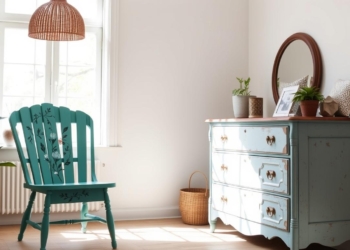
Creating a unique and sustainable home is easy with home decor and furniture upcycling. This method turns old furniture into new, useful items. It cuts down on waste and adds charm to any room. Upcycling costs about $100, which is much less than buying new furniture, which can cost over $500.
Many homeowners, about 30%, have successfully upcycled furniture. This shows how effective it can be. By giving old furniture a new look, you can make pieces that show off your style. You might just need to paint it, change the hardware, or reupholster it.
For instance, an old dresser can become a sink vanity with some effort. The goal is to see the full possibility of each piece, not throw it away. In 2018, the U.S. generated 12 million tons of furniture waste. Upcycling can make a big difference.
The DIY furniture market is booming, with a 5.5% growth rate from 2023 to 2028. This shows more people are into home decor and sustainable living. Upcycling not only makes unique pieces but also helps the environment. With the right tools and creativity, anyone can turn old furniture into something special.
Kitchen Items Getting a Second Life
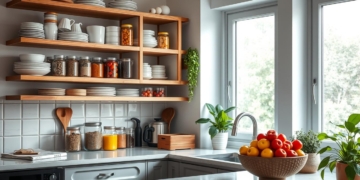
Upcycling kitchen items is a creative way to breathe new life into old kitchenware. Thrift stores are full of kitchen items waiting for a makeover. For example, vintage spice racks can be turned into craft storage, showing their versatility.
Cutting boards are also great for upcycling, becoming parts of furniture. This highlights their adaptability. Percolator-style coffee pots can be upcycled into terrariums, adding a touch of creativity.
Wooden spindles from kitchenware can become Christmas ornaments, proving their dual use. An old grater can be repurposed as a flip calendar with laminated cards. At flea markets, vintage kitchen items are often under $5, making them budget-friendly for crafting.
Upcycling kitchen items not only reduces waste but also supports sustainability. It keeps useful materials from ending up in landfills. Items like teacups can become planters, candle holders, or even gift holders, making them multi-functional.

Breathing New Life into Vintage Clothing
The fast fashion industry creates 92 million tons of waste each year. Fashion upcycling is a creative way to reuse old clothes. It helps reduce waste and supports a more circular fashion world.
Upcycling saves resources and cuts down on carbon emissions by 30%. It also saves money, up to 50% compared to buying new clothes. This makes it a smart and green choice.
More people want to buy sustainable fashion as they learn about fast fashion’s harm. About 70% of consumers are ready to spend more on eco-friendly clothes. Upcycling lets you make unique, stylish items that show off your personal style.
The upcycled fashion market is expected to hit $400 billion by 2028. This shows fashion upcycling is a big deal in fashion. As more people choose sustainable and creative options, the demand for upcycled items will keep growing.
Garden and Outdoor Upcycling Ideas
Living sustainably is now easier with creative garden decor and outdoor upcycling. You can turn old items into unique and useful pieces for your outdoor area. For example, old tires can become garden planters, and pallets can make vertical gardens.
Decorative items like hanging baskets from repurposed lampshades are a big trend. You can also make plant markers from old shoe trees. With over 150 ideas, you can make your outdoor space beautiful and green.

Upcycling old furniture into garden furniture cuts down on waste. Using wooden pallets for raised beds can save 30% on gardening costs. By upcycling, you can make your garden unique and eco-friendly, showing off your style.
Outdoor upcycling not only beautifies your garden but also helps the planet. The upcycling market is expected to hit $400 billion by 2025. So, start upcycling and make your outdoor space stunning and sustainable, using garden decor and outdoor upcycling ideas that show your style and commitment to sustainable living.
Turning Old Books into Artistic Creations
Book upcycling is a creative way to breathe new life into old books. It helps reduce waste and supports sustainable living. You can turn old books into secret storage or unique shelving, adding personality to any room.
Old books can be repurposed into many items, like decorative boxes or lamps. This not only cuts down on waste but also sparks creativity. For example, book page crafts include painting, wreaths, and buttons, showing the versatility of book pages.
As people focus more on sustainable living, the need for creative reuse grows. Old books can be used to make whole book crafts, like mobiles and coat racks. These items enhance home decor while being eco-friendly. Book upcycling and creative reuse help the environment and showcase creativity.
With a bit of imagination, old books can become stunning art pieces. They’re great for sparking conversations in any room. Whether it’s a book cover craft or a whole book craft, the options are endless. Book upcycling offers clear benefits: less waste, more sustainability, and a unique piece of art that shows your personality.
Metal and Glass Upcycling Techniques
More people are choosing sustainable living by reusing items creatively. They’re into metal upcycling and glass upcycling. Turning old metal into decorations or glass jars into candle holders helps the planet.
Upcycling keeps items useful, cutting down on waste and new product needs. It also lowers pollution and saves resources. For example, using glass jars for storage or making metal into wind chimes helps a lot.

Platforms like Pinterest are full of glass upcycling and metal upcycling ideas. They encourage people to be creative and live sustainably. Making upcycled furniture is also cheaper than buying new, making it a popular choice.
The ‘Green Revolution’ is growing, and exploring metal upcycling and glass upcycling is key. It’s about turning old furniture into art or making unique decorations. This way, people can help the environment and make their homes special.
Wooden Pallet Projects for Every Room
Wooden pallets are great for DIY projects because they’re affordable and versatile. They’re perfect for pallet upcycling fans. With over 4,700 projects, you can make something special for every room. You can make coffee tables or garden planters, and more.
Using wooden pallets helps the environment by reducing waste. It gives old materials a new life. This supports sustainable living.
The weathered look of wooden pallets adds a rustic touch to any room. It’s perfect for upcycled or farmhouse styles. To start, look for free or low-cost pallets in your area. Many places offer them for pick-up.
You’ll need basic tools like a hammer, pry bar, and drill. With these, you can turn pallets into beautiful pieces.
For inspiration, check out online resources and guides. You’ll find plans for a pallet garden pathway, pallet table, and modular coffee table. By choosing pallet upcycling and sustainable living, you make your home greener. You also add unique and useful items to your decor.
With a bit of creativity and basic tools, you can make wooden pallets into stunning pieces. Start your project today!
Children’s Toy and Furniture Transformations
Living sustainably is easier than you think, thanks to kids’ toys and furniture. Old items can become unique and useful pieces. This helps make our homes more eco-friendly. Toy upcycling and furniture upcycling cut down on waste and make spaces special for kids.
For example, old dressers can become dollhouses or cribs can turn into desks. This approach not only saves resources but also makes reuse fun. Furniture upcycling also leads to creative storage, like toy box benches from bunk beds or Lego tables from dressers.

Studies show that about 70% of parents enjoy making DIY furniture for kids. Also, 62% think upcycled furniture can be stylish. This change is boosting the DIY furniture market, expected to grow 4.5% from 2021 to 2026. By choosing sustainable living and toy upcycling, families can save, reduce waste, and create something unique.
With a bit of creativity, old toys and furniture can become something amazing. By using furniture upcycling and toy upcycling in our daily lives, we support a greener future for our kids.
Electronics and Technology Upcycling
The world faces a big problem with electronic waste. Electronic upcycling is a creative fix. Every year, 50 million tons of electronic waste are made, but only 20% is recycled. Tech upcycling turns old electronics into unique items or useful gadgets.
By choosing sustainable living, we can help the planet. Upcycling old electronics can cut home decor costs by up to 30%. Plus, DIY projects can be done in just 1 to 5 hours.
Electronic upcycling helps more than just us. It supports a circular economy. By reusing materials, we cut down on landfill waste and save resources. As the demand for upcycled products grows, tech upcycling shows it’s a key part of a greener future.
Old electronics can become something new and lovely. You can make jewelry or sculptures from them. By upcycling, we reduce waste, save resources, and live more sustainably. As we move forward, tech upcycling is a vital step towards a brighter future.
Embracing a Sustainable Future Through Creative Reuse
The art of upcycling is more than just reducing waste. It’s a way to live sustainably, blending creativity with conservation. The creative reuse movement is growing fast. It’s expected to hit $56.8 billion by 2027, with a 5.6% growth rate from 2020 to 2025.
By turning old items into new, stylish things, we lessen our impact on the planet. Up to 80% of a product’s environmental harm is decided at design time. This makes upcycling a key ally in the battle against waste. Plus, upcycled items often sell for more, showing people are willing to pay for sustainable products.
Upcycling offers more than just environmental benefits. It can also save money by reducing costs in many areas. It supports local artisans, creating more chances for unique, handmade items.
Upcycling lets us turn old furniture, clothes, and books into something new and valuable. It’s a way for everyone to help make the future brighter and greener.