In the world of art, there’s often more than meets the eye. Beyond famous paintings and artists, many secrets and lesser-known facts are waiting to be found. This article will explore the hidden stories that have shaped the art world.
Get ready to be amazed as we reveal the surprising beginnings of iconic art movements. We’ll also uncover the hidden stories behind famous works and highlight influential artists often overlooked. Whether you love art or just want to learn more, this journey will deepen your appreciation for art’s creative genius.
Let’s start a fascinating journey through the art world’s hidden facts and stories. Discover the depths and tales that change how we see and value art.
The Surprising Origins of Iconic Art Movements
The art world is full of mysteries, with the beginnings of famous art movements hidden. But, when we look closer, we find amazing stories. From Impressionism’s unexpected start to Surrealism’s roots in the subconscious, these tales change how we see art history.
Impressionism, known for its light and color, was once laughed at. But, it started with artists wanting to show life’s quick moments. Monet’s “Impression, Sunrise” showed a new way of painting, away from old styles.
Surrealism, on the other hand, came from exploring the subconscious. It was influenced by Sigmund Freud’s ideas. Salvador Dalí’s “The Persistence of Memory” shows the movement’s love for the strange and dreamlike.
“The marvelous is always beautiful, anything marvelous is beautiful, in fact only the marvelous is beautiful.” – André Breton, Surrealist Manifesto
Abstract Expressionism in post-war America was a response to chaos. Artists like Jackson Pollock and Willem de Kooning used bold paintings to express emotions. They rejected old art rules.
Exploring these art movements’ beginnings helps us appreciate art more. From light and color to the subconscious, these movements still inspire us today.
Unveiling Hidden Stories Behind Famous Paintings
The world of art is full of captivating stories and hidden meanings. Let’s explore the mysteries behind famous paintings and the artists who created them.
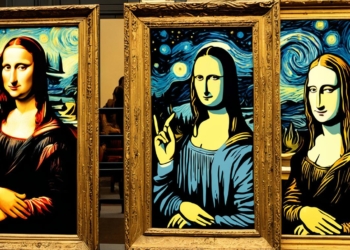
Leonardo da Vinci’s Mona Lisa is one of the most famous works of art. It has sparked endless debates about the sitter’s identity and the emotions on her face. The famous artists used advanced painting techniques and symbols, making it a timeless masterpiece.
Vincent van Gogh’s Starry Night shows the artist’s deep emotional depth. The painting’s swirling brushstrokes and light and shadow evoke a sense of wonder. By understanding Van Gogh’s personal struggles and artistic vision, we can appreciate the emotional power of this iconic painting.
“The diversity of the phenomena of nature is so great, and the treasures hidden in the heavens so rich, precisely in order that the human mind shall never be lacking in fresh nourishment.”

These stories are just a glimpse into the hidden tales behind famous paintings. By learning about the lives and artistic processes of famous artists and the art criticism of their works, we can truly appreciate these timeless masterpieces.
Lesser-Known Artists Who Changed the Art World
While we often talk about famous artists like Picasso and Monet, there are many others who have made a big impact. These artists have changed the art world in big ways. They have challenged old ideas and brought new techniques to the table.
Artemisia Gentileschi is a great example. She was a 17th-century Italian painter who dared to show a different side of art. Her paintings, like Judith Slaying Holofernes, showed a strong female view in a world dominated by men. Her work is known for its deep emotion and challenge to old gender roles.
Paul Gauguin is another artist who made a big mark. He was a post-impressionist painter known for his bright, exotic scenes from Tahiti. Unlike Monet and Cézanne, who focused on nature, Gauguin explored the idea of primitivism. His bold colors and new style opened doors for future artists to try new things.
African-American artists have also made a huge impact. Artists like Jacob Lawrence, Romare Bearden, and Faith Ringgold used their art to highlight the Black experience. Their work changed the art world and helped bring about social and political change.
“Art is not what you see, but what you make others see.” – Edgar Degas
These artists have left a lasting impact on the art world. They have shown us that art can be seen in many ways and from different perspectives. By learning about their stories, we can appreciate the many people who have changed what art can be.
The Role of Art Theft in History
Art theft has always been a fascinating and infamous part of art history. It includes the famous Isabella Stewart Gardner Museum heist in Boston and daring raids on top art galleries. These bold acts have often caught the public’s eye. But, art theft has also shaped our view of art’s true value and the need for strong security in the art world.
The 1990 robbery of the Isabella Stewart Gardner Museum is one of the most famous art thefts. Thieves stole masterpieces by Rembrandt and Vermeer, worth about $500 million. This crime highlighted the need for better security in museums and galleries worldwide.

Art theft’s impact goes beyond just the loss of the stolen works. It has changed how we see the value of art, both financially and culturally. The loss of famous pieces shows how unique and valuable these works are. It reminds us of the need to protect our art history and contemporary art for the future.
“Art theft is not just a crime against the owner of the work; it’s a crime against all of us. It’s a crime against our cultural heritage.”
The art world is still dealing with the effects of these major thefts. Art theft’s role in history is clear. It’s a complex issue that involves security, cultural preservation, and the heart of artistic creation. By learning from these crimes, we can better protect our artistic treasures. This is key to our shared cultural identity.
Unique Materials and Techniques Used by Artists
In the world of art, artists always look for new ways to create. They use everything from ancient pigments to modern sculpting methods. This shows how creative and inventive humans can be.
One cool example is painting techniques like encaustic. It mixes pigments with hot wax and applies them to a surface. This old method, used since ancient Egypt, is now popular again. It lets artists make works that look amazing in light and shadow.
Sculptors also use a wide range of sculpture materials. They go from clay and bronze to things like found objects and even living things. This new way of learning in art education leads to art that makes us think and care about the environment.
“Art is not what you see, but what you make others see.” – Edgar Degas
Art has no limits, and the constant change in painting techniques, sculpture materials, and art education shows our endless creativity. Exploring how artists work reminds us of art’s power to move, inspire, and change how we see the world.
The Psychology Behind Famous Works of Art
Exploring art, we find deep stories in famous paintings. Vincent van Gogh’s bold strokes and Frida Kahlo’s personal symbols show art’s link to our minds. This connection is truly deep.
Van Gogh’s “The Starry Night” and “Sunflowers” grab our attention with their colors and emotions. These paintings reflect his inner turmoil, showing his mental health struggles. They let us see into his soul, connecting with his story.
Frida Kahlo’s self-portraits show art’s healing power. Her paintings talk about identity, pain, and strength. With symbols and her own experiences, she shares her inner world in a unique way.
“I paint self-portraits because I am the person I know best. I paint my own reality.”
– Frida Kahlo
These famous artworks touch us deeply, not just because of their skill. They make us feel and think, showing the power of art. By understanding these stories, we see how art can deeply affect us.

Art Movements That Were Short-Lived
In the world of art, some movements have made a lasting impact. Others, like Dada and Futurism, were brief but left a big mark. They challenged old ways of thinking and helped shape today’s art scene.
Dada emerged in the early 20th century as a reaction to World War I. It rejected traditional art, embracing the absurd and random. Dada’s short life, just a decade, didn’t stop its influence on art history and contemporary art. It inspired new avant-garde movements and changed what we think of as art.
The Futurist movement, starting in the early 1900s, focused on technology and the modern world. Futurist artists loved machines, speed, and city life, looking forward to the future. Though Futurism was brief, lasting only a few decades, its effects can be seen in later art movements like Cubism and Constructivism.
“Art is not the application of a canon of beauty, but what the instinct and the brain can conceive beyond any canon. When we love a woman, we don’t start measuring her limbs.” – Pablo Picasso, a prominent Cubist artist
These short but powerful art movements show us that creativity is always changing. Even the most bold ideas can leave a lasting mark on art history and contemporary art.
The Influence of Technology on Modern Art
Technology has changed the world of contemporary art in big ways. It started with digital art pioneers who showed what was possible. Now, social media has made it easier for artists to share their work and for people to see it.
Digital art has opened up new ways for artists to express themselves. Artists can now make detailed digital paintings and sculptures that challenge old ideas about art. This has led to new art galleries and shows that feature art that uses technology.
“Technology has not only transformed the way art is created, but also the way it is consumed and experienced by the public.”
Social media has changed the art world a lot. It lets artists reach more people and build communities. It also makes it easier for art lovers to find and enjoy different kinds of art, no matter where they are.

Technology will keep changing the art world. We’ll see more virtual reality, augmented reality, and artificial intelligence in art. This will change how we see and enjoy art in the future.
The Role of Women in Art History
In the world of art history, women’s contributions were often ignored. Yet, a closer look shows a wealth of talented women who shaped the art world. They span from the Renaissance to today.
Sofonisba Anguissola, a 16th-century Italian painter, is a great example. She was known for her portraits and even worked for the Spanish royal family. Despite facing sexism, her work was praised for its skill and depth.
“I have applied myself to portray the natural world, and in this I have succeeded, because I have had the good fortune to be born with a certain talent.”- Sofonisba Anguissola
Later, Georgia O’Keeffe, an American artist, broke new ground. She made bold, abstract paintings that celebrated women and nature. Her work opened doors for future artists and feminist art.
These women are just a few examples of the many who changed art history. Their stories show the power of determination, creativity, and the female voice in art.
The Importance of Art in Cultural Identity
Art has always been a key part of human culture. It shows the values, beliefs, and experiences of different communities. From traditional paintings to modern installations, art helps express cultural identity and tackle social issues.
Artists have long used their work to highlight political movements and social injustices. Diego Rivera’s murals celebrated Mexican heritage, while Ai Weiwei’s installations challenged the Chinese government. This shows how art can inspire change and give a voice to marginalized communities.
In today’s global world, art is crucial for building bridges between cultures. It helps us understand and appreciate the diversity of human experiences. By embracing art from all over, we can foster a more inclusive and fair society.