Welcome to the amazing world of animals, where the ordinary becomes extraordinary. In this article, we explore the incredible variety and unique traits of wildlife. These traits make our planet’s creatures truly remarkable.
The animal kingdom spans from the ocean’s depths to the mountains’ peaks. It’s a world of life, with countless species each with its own story. Get ready to be amazed by the secrets and surprises in the diverse habitats and ecosystems.
If you love nature, are curious, or just appreciate the beauty of the world, this article is for you. It’s a journey of discovery into the incredible adaptations, lifespans, and ways animals communicate with each other.
The Diversity of the Animal Kingdom
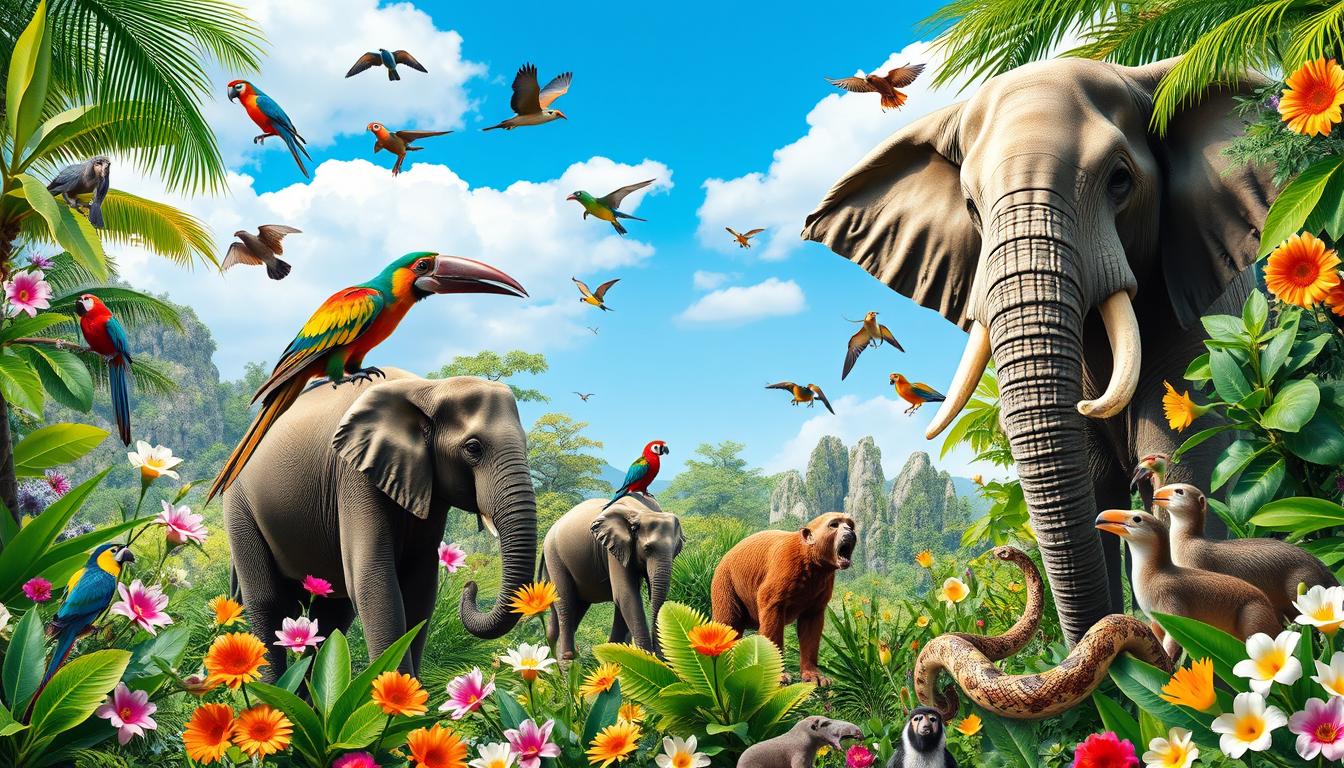
The animal kingdom shows us the amazing variety of life on Earth. We see everything from big mammals to birds flying high. The world of zoology is full of biodiversity that amazes us all the time.
Mammals live in many places, from cold tundra to hot deserts. Birds fly with their feathers and sharp senses. Reptiles and amphibians have special ways to live in their homes.
“The diversity of the natural world is a precious resource that we must protect and preserve for future generations.”
Every species is important in its ecosystem. They help keep life on Earth balanced. By learning about the animal kingdom, we value nature more and our place in it.
The animal kingdom is full of biodiversity, from tall giraffes to small hummingbirds. Exploring zoology reminds us of the diversity around us. It also shows us why we must protect it for the future.
Fascinating Adaptations in Animals
The natural world is full of amazing wildlife. These creatures have developed incredible ways to live in different ecosystems and natural environments. They can hide in plain sight or travel long distances.
For example, the octopus can change its skin color and texture. This helps it hide from predators and sneak up on prey. The bar-tailed godwit, on the other hand, migrates over 7,000 miles without stopping. It does this by using its high metabolism and shrinking its organs to lose weight.
“Nature’s creativity knows no bounds, and the adaptations we see in the wildlife around us are a testament to the remarkable ingenuity of life.”
Bioluminescent creatures like the anglerfish are also amazing. They can make their own light, which helps them catch prey in the dark ocean. The variety of adaptations in animals is truly inspiring. It shows how life on Earth is incredibly resilient and resourceful.

Exploring animal adaptations helps us appreciate the balance of ecosystems. It also shows how important each species is. By protecting these natural environments, we can make sure future generations can enjoy the wonders of the animal kingdom.
Uncommon Animal Behaviors
The animal kingdom is full of surprises. Sometimes, the most fascinating things are the unusual behaviors of different species. From zoological wonders to wildlife marvels, the animal world’s diversity amazes us every time.
One example that catches our attention is tool use in some species. Chimpanzees use sticks to get termites, while sea otters use rocks to crack open shellfish. These actions show that tool use isn’t just for humans, highlighting the smartness of other creatures.
“The more we learn about animal behavior, the more we realize how much we have yet to discover.” – Jane Goodall, renowned primatologist.
Altruism is another interesting behavior where animals help others without expecting anything in return. Elephants help injured family members, and dolphins support sick friends. These acts of kindness show the complex social and emotional lives of animals.
Dolphins’ complex communication and corvids’ problem-solving skills challenge our views on animal intelligence. As we study zoology more, we find more amazing behaviors. These discoveries change how we see the natural world.
Incredible Animal Lifespans
The animal kingdom is full of surprises. One of the most fascinating is the long lives of some species. From the immortal jellyfish to the long-lived tortoises and ancient Greenland sharks, their ages are truly amazing.
For example, the Greenland shark lives for centuries. Some are over 400 years old. Their slow growth and low metabolism help them survive in the Arctic’s cold waters.

The Galápagos tortoise can live up to 100 years in the wild. These slow-moving reptiles have special adaptations. They can store water and have a slow metabolism, helping them survive in the Galápagos Islands.
“The diversity of life on Earth is truly awe-inspiring, and the incredible lifespans of certain animal species are a testament to the resilience and adaptability of the natural world.”
These long lives are important for aging research. Scientists study how some animals live longer than others. By learning from them, they might find ways to help humans live longer and healthier lives too.
Unique Animal Habitats
From the ocean’s depths to the highest mountains, animals live in many amazing places. Each habitat is perfect for different species to grow and thrive. They are all uniquely suited to their homes.
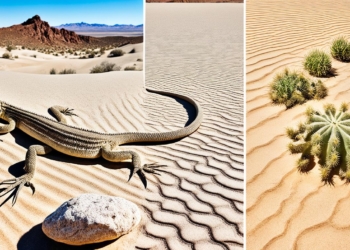
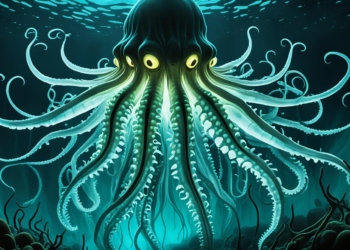
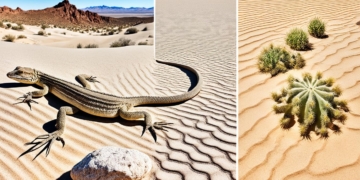
In the deep sea, creatures like the anglerfish and giant squid live. They have special features like glowing bodies and clever ways to catch food. In the desert habitats, animals like camels, scorpions, and desert tortoises survive the heat and lack of water.
“The Earth has music for those who listen.”
Even in cities, animals find a way to live. Raccoons, opossums, pigeons, and sparrows adapt to urban life. They show how flexible and resilient animals can be.
Discovering where animals live is a journey into the natural world’s wonders. Learning about these habitats helps us understand how animals survive in tough places. It shows us the incredible ways they adapt to their environments.
Animal Intelligence: Beyond Instinct
The animal kingdom is full of amazing diversity. It shows us intelligence that goes beyond just instinct. Recent studies have shown us how smart different species can be, changing how we see animal intelligence.
Some animals, like primates and corvids (crows and ravens), are super good at solving problems. They show a smartness that was thought only humans had.
“Animals can be as intelligent as a three-year-old child in many areas. The field of zoology is constantly uncovering new evidence of the remarkable cognitive abilities that species possess.”
But there’s more to animal intelligence. Scientists have found that elephants, dolphins, and even birds can feel and show many emotions. They can feel joy, sadness, and even care for others.
As we learn more about animal intelligence, we see that humans and animals are more alike than we thought. Exploring animal behavior and cognition helps us understand our shared intelligence. It shows us that we are all connected in amazing ways.
The Role of Animals in Ecosystems
Animals are key to keeping ecosystems in balance around the world. They include keystone species that greatly affect their environments. Also, pollinators are vital for plants and biodiversity. Together, they form a complex web that supports our natural world.
Keystone species, like sea otters, are crucial for their ecosystems. They control sea urchin populations, keeping kelp forests healthy. Losing these species can destroy entire ecosystems. This shows why we must protect them through conservation.
“The disappearance of keystone species is like the removed of a load-bearing pillar from a building – the rest of the structure is likely to collapse.”
Pollinators, such as bees and butterflies, are also vital. They help plants reproduce and grow. This supports many other organisms in the ecosystem. But, their numbers are falling due to habitat loss and pesticides.
It’s important to understand how animals keep ecosystems balanced. This knowledge helps us create better conservation plans. By protecting keystone species and pollinators, we can preserve our planet’s biodiversity. This is essential for a healthy, thriving world.
Endangered Species and Conservation Efforts
The animal kingdom is full of diversity, but many species are at risk of disappearing. Endangered species are a serious issue that needs our focus and action. Conservation efforts worldwide are working hard to protect these wildlife populations and ensure their survival.
The recovery of the bald eagle is a great example of conservation success. Thanks to protection and habitat restoration, the bald eagle is no longer endangered. This shows that with commitment and the right plans, we can save our endangered species.
“The true measure of a society is how it treats its most vulnerable members.”
But, the challenges for endangered species are many and ongoing. Habitat loss, poaching, climate change, and other human actions threaten many species. Conservation groups are tackling these issues with new solutions and community involvement to protect wildlife.
We can all help with these important conservation efforts. By supporting green initiatives, living sustainably, and spreading the word, we can make a difference. Together, we can protect the animal kingdom’s wonder and diversity for future generations.

The Secrets of Animal Communication
In the vast and captivating realm of the animal kingdom, communication is key. It shows how different species interact. From birds’ complex vocalizations to mammals’ subtle body language, the variety is amazing.
Zoologists and wildlife researchers have explored animal communication deeply. They’ve found interesting facts. For example, wolves use howls, barks, and growls to share info about their territory and status. Chimpanzees use gestures, facial expressions, and sounds to plan group activities and show their needs.
“The ability of animals to communicate with one another is a testament to the ingenuity and adaptability of the natural world.”
Some animal communication is easy to see, like frogs’ calls or birds’ dances. But other ways are more hidden. Pheromones, or chemical signals, are key for many insects and small species. They share info about their species, sex, and readiness to reproduce.
As we learn more about animal communication, we understand their social lives and minds better. This knowledge is not just interesting. It also helps us see the amazing ways nature supports its creatures.
The Impact of Climate Change on Animal Life
Climate change is causing big problems for animal habitats and ecosystems. It’s changing how animals migrate and breed. This is threatening many species worldwide.
Climate change is changing where animals live. Animals are moving because of warmer temperatures and less water. They face new dangers and predators in their new homes.
The balance of ecosystems is also being disrupted. This affects animals that need each other to survive. It’s bad for habitats and ecosystems that support many species.
“The effects of climate change on animal life are far-reaching and often unpredictable. We must act swiftly to mitigate the damage and protect the fragile habitats and ecosystems that sustain our planet’s incredible biodiversity.”
We need to tackle climate change in many ways. This includes fixing habitats and cutting down on pollution. Together, we can help animals thrive for years to come.

Mythical Creatures and Folklore
The Animal Kingdom has always sparked our imagination and shaped beliefs. Animals have been a key part of our stories and traditions for ages. Around the world, different wildlife and species have become magical creatures in our tales.
The dragon is a famous example from many cultures. It’s seen as a huge, winged serpent that can breathe fire. It stands for strength, power, and sometimes wisdom and luck. The dragon’s role in stories, books, and buildings shows its lasting impact on our Animal Kingdom of dreams.
“Mythology is not a lie, mythology is poetry, it is metaphorical. It has been well said that mythology is the penultimate truth – and penultimate because the ultimate cannot be put into words.”
From the unicorn to the leprechaun, the Animal Kingdom has inspired many mythical creatures. These magical beings show our love for nature and our quest for meaning and wonder. They help us connect with the mysteries of the wildlife around us.
Animals and Human Connections
The bond between humans and animals is deep and complex. It brings many benefits to both sides. From the love of pets to the healing power of wildlife, our interactions with animals greatly impact our well-being.
Research shows that animals can calm us down, reducing stress and anxiety. Just petting a furry friend or watching birds can release oxytocin. This hormone is linked to trust, empathy, and bonding, improving our heart health and mental state.
The study of zoology has uncovered amazing facts about animal minds and feelings. As we explore the wildlife around us, we find complex social lives, detailed communication, and clever problem-solving. This knowledge helps us see the animal world in a new light, valuing its diversity and intelligence.