Explore the cool physics in everyday things! From toys to kitchen chemistry, this article shows the science in our lives. It’s a journey into physics fun, where interactive learning and STEM education meet.
Get ready to be amazed by the physics in common items and nature. You’ll see a bouncing ball or a pot of water in a new light. By learning about the physics in our daily lives, we’ll spark your curiosity and show you the world in a new way.
Let’s start this exciting journey to discover the secrets of our world. Get ready to be amazed, entertained, and inspired by the physics fun in our everyday lives.
The Physics of Common Toys
Toys can teach us a lot about Physics Fun and Science Experiments. Spinning tops and yo-yos are great examples. They show us complex physical principles in a fun way.
Spinning tops are a great example. They stay upright because of their angular momentum. This is also why bicycle wheels are stable and easy to control.
“Toys are not just for entertainment – they can be powerful tools for learning about the physical world around us.”
Yo-yos are another cool example. They show how tension, potential energy, and kinetic energy work together. When a yo-yo falls, the string pulls it back up, changing its energy.
Juggling is also a great way to learn about physics. It shows how momentum and energy are conserved. The juggler’s hands keep the objects moving in a rhythm.
These experiments with toys are a fun way to learn about science. They make us curious and help us understand the world better.

Kitchen Chemistry: Physics in Cooking
Cooking is more than just an art; it’s a science too! Discover the Physics Fun in everyday cooking. Learn how Interactive Learning can make cooking more fun. From heat transfer to whipping cream, these processes show the physics in our recipes.
Ever wondered why pasta floats in boiling water? It’s because of density! As pasta cooks, it absorbs water, making it less dense. This lets it float to the top, showing buoyancy in action.
“The kitchen is a laboratory, and cooking is an experimental science.” – Hervé This, French physical chemist
Whipping cream is another cool example. Beating cream introduces air bubbles into the liquid. These bubbles make the cream light and fluffy, showing how physics can enhance cooking skills.

Next time you cook, notice the Physics Fun in your dishes. From heat transfer to density, physics is in every dish. Learning about this can make cooking more fun and rewarding.
Everyday Movement: The Physics Behind Walking
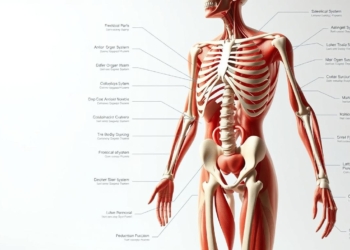
Walking is something we do every day without thinking about the physics behind it. Our muscles work together, and gravity and momentum play a big role. It’s amazing how our bodies follow the laws of motion and forces.
Friction is key when we walk. It helps our feet stick to the ground, letting us move forward. Friction and gravity work together to keep us balanced and stable.
“Walking is the most natural form of human locomotion, yet it is a complex interplay of muscles, bones, and the forces of physics that make it possible.” – Dr. Sarah Johnson, biomechanics researcher
Walking isn’t just about friction. It involves momentum, energy, and gravity too. Our arms swing, joints flex, and our body rotates. This makes walking efficient and graceful.
Learning about the motion and forces in walking is fascinating. It helps us understand our bodies better. It also helps in creating better prosthetics and assistive devices. Plus, it improves physical therapy and rehabilitation.

So, next time you walk, think about the physics behind it. It’s a complex mix of muscle work, gravity, and momentum. Walking shows us the incredible abilities of the human body and the natural world.
The Mystery of Bubbles
Ever wondered about the physics of bubbles? They’re everywhere, from kids’ playtime to our favorite drinks. Studying them reveals a lot about Science Experiments and Wave Properties.
Surface tension is key to a bubble’s life. The liquid film around it is held tight by molecule forces. This makes the bubble elastic and keeps it from popping.

But why do bubbles pop? As they float, the film gets thinner. Eventually, it can’t handle the pressure difference inside and outside. Gravity and air currents also play a part in their demise.
“Bubbles are nature’s way of showing us the beauty of impermanence.”
The colors in soap bubbles come from light interference. Different light wavelengths reflect off the bubble’s surfaces. This creates the shimmering rainbow effect we love, showing the beauty of Wave Properties in Science Experiments.
The Invisible Forces of Magnetism
Magnetism is everywhere, yet we often overlook it. It’s key in our daily lives, from fridge magnets to modern tech. We’ll dive into the world of Electricity and Magnetism, exploring their principles and uses.
Magnetic fields are at the heart of magnetism. They’re areas where magnetic forces are at work. These fields come from electric charges moving, a process called electromagnetism. This links electricity and magnetism closely.
“Electricity and Magnetism are but different manifestations of the same force.” – Michael Faraday
Magnets are used in many ways. They help us navigate and power tech like Interactive Learning. These objects show how Electricity and Magnetism shape our lives.
Understanding these forces opens up new possibilities in science and tech. It leads to smaller electronics and green energy. The study of Electricity and Magnetism is changing our world in exciting ways.
The Dynamics of Sports Equipment
In sports, physics is key for performance and fun. It affects everything from soccer balls to how athletes move. Knowing about motion and forces can make games more enjoyable and athletes better.
The Magnus effect is cool in soccer. It makes the ball curve because of air pressure. This can lead to amazing goals. Learning about it helps players aim better.
Basketball shows how motion and forces work together. A dunk, for example, needs energy, momentum, and force to beat gravity. Knowing this can improve training and make the game more fun.
Friction is also vital in sports. It helps with control and stability, like in tennis or running. Studying friction can lead to better gear and training.
“The more you understand the physics behind sports, the more you can appreciate the incredible feats of athleticism and the strategic nuances of the game.”
Exploring motion and forces in sports equipment deepens our appreciation for the game. It makes us see the science behind the excitement. This physics fun inspires us to learn more about the world around us.
Fun with Light: Everyday Optical Illusions
Ever wondered why your eyes sometimes play tricks on you? It’s all thanks to light’s fascinating properties! We’ll dive into the science behind everyday optical illusions and how light’s wave properties create them.
Take the rainbow, for example. Sunlight passing through water droplets in the air gets refracted and dispersed. This creates the colorful spectrum we all love. This process, known as wave properties, shows how light interacts with our world to create stunning visuals.
“The rainbow is a phenomenon that has captivated humans for centuries, and it’s all due to the way light bends and separates as it passes through water droplets.”
Mirrors and reflections are another cool science experiment. By learning about reflection, we can make all sorts of optical illusions. From fun house mirrors that warp our image to infinity mirrors that seem endless.
These everyday optical illusions are not just fun. They also give us a peek into light’s amazing complexity. By exploring light’s wave properties, we open a world of wonder. We learn more about the physics that shape what we see.
Everyday Electronics: The Physics of Sound
We are surrounded by electronic devices that make sound every day. From our music headphones to phone notifications, sound physics is key. Learning about sound waves can lead to exciting STEM Education opportunities.
Speakers are at the heart of sound in these devices. They turn electrical signals into vibrations that make sound waves. This uses electromagnetism, with a coil in a magnetic field, to move and create sound. Exploring sound wave physics helps us understand our gadgets better.
Noise-canceling tech is another cool use of sound wave physics. It uses microphones to detect sound and then cancels it out. This tech improves our listening and shows the power of wave properties in STEM Education.
“The more we understand the physics behind the technology we use every day, the more we can appreciate the ingenuity and complexity of the devices that have become an integral part of our lives.”
Looking into sound physics in everyday electronics is fascinating. It helps us appreciate the amazing innovations that change how we live.
Gravity’s Role in Our Daily Lives
Gravity keeps us on the ground and is key in our daily lives. It’s what makes us feel heavy when we lie in bed and lets us walk easily. This force shapes our world and affects the tiny particles studied in Quantum Mechanics.
Ever wondered why things fall when you drop them? It’s gravity, pulling everything towards each other. This force is what makes us feel weight, affects how things fall, and guides planets in our solar system. Learning about Motion and Forces helps us see how our world works.
In space, gravity is even more important. On spacecraft, things like liquids and crystals act differently than on Earth. By studying these changes, scientists learn more about our universe. This knowledge helps us understand Quantum Mechanics and the cosmos better.